

Few travel experiences compare to the thrill of a safari in Kenya. Widely regarded as the birthplace of the modern safari, Kenya offers dramatic landscapes, extraordinary wildlife diversity, vibrant cultures, and some of the most iconic conservation areas on the African continent. From the sweeping savannahs of the Maasai Mara National Reserve to the snow-capped backdrop of Mount Kilimanjaro viewed from Amboseli National Park, Kenya safaris deliver both raw wilderness and refined hospitality.
Whether you are a first-time traveler or a seasoned adventurer, this professional guide explores everything you need to know aboutAfrica Kenya safaris — destinations, wildlife, travel seasons, safari styles, and what makes Kenya one of the world’s premier safari destinations.
Why Choose Kenya for an African Safari?
Kenya stands out for several compelling reasons:
1. Exceptional Wildlife Density
Kenya is home to the legendary “Big Five” — lion, elephant, leopard, rhino, and buffalo — along with cheetahs, giraffes, zebras, hippos, crocodiles, and over 1,100 bird species. The concentration of wildlife in its national parks and reserves makes sightings frequent and dramatic.
2. Diverse Landscapes
Within a single country, you can explore:
- Rolling savannah plains
- Volcanic highlands
- Rift Valley lakes
- Semi-arid deserts
- Mountain forests
- Tropical coastline along the Indian Ocean
3. Cultural Richness
Kenya is home to more than 40 ethnic communities, including the Maasai, Samburu, and Turkana peoples. Cultural visits can be integrated into many safari itineraries, offering deeper insight into local traditions and conservation partnerships.
Top Safari Destinations in Kenya
Maasai Mara National Reserve
Arguably Kenya’s most famous safari destination, the Maasai Mara is globally known for its abundant predators and dramatic wildlife encounters. It is also the Kenyan extension of the Serengeti ecosystem and hosts part of the annual Great Migration, when millions of wildebeest and zebras cross the Mara River in search of fresh grazing.
Best for:
- Big cat sightings
- The Great Migration (July–October)
- Classic savannah photography
Amboseli National Park
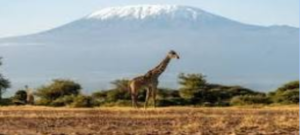
Amboseli is celebrated for its large elephant herds and spectacular views of Mount Kilimanjaro. The open plains make wildlife viewing particularly rewarding, and the contrast between elephants and the snow-capped mountain backdrop creates iconic imagery.
Best for:
- Elephant photography
- Scenic landscapes
- Short safari extensions from Nairobi
Tsavo National Park
Divided into Tsavo East and Tsavo West, Tsavo forms one of the largest protected areas in Africa. It offers a more remote and less crowded safari experience, featuring red-dust elephants, lava flows, and diverse terrain.
Best for:
- Off-the-beaten-path adventures
- Rugged wilderness experiences
- Unique geological features
Lake Nakuru National Park
Located in the Great Rift Valley, Lake Nakuru is famous for its flamingos and rhino sanctuary. It is one of the best places in Kenya to see both black and white rhinos.
Best for:
- Rhino conservation
- Birdwatching
- Scenic lake views
Samburu National Reserve
Situated in northern Kenya, Samburu offers a distinctive safari experience with species not commonly found elsewhere in the country, such as the Grevy’s zebra and reticulated giraffe.
Best for:
- Unique northern species
- Cultural experiences with the Samburu community
- Fewer tourist crowds
Types of Kenya Safaris
Kenya offers a wide range of safari styles to match different budgets and preferences.
1. Budget Safaris
These typically include shared vehicles, basic tented camps or lodges, and group departures. Budget safaris are ideal for travelers seeking an authentic experience without high costs.
2. Mid-Range Safaris
Comfortable lodges or tented camps with private bathrooms, guided game drives, and well-organized itineraries characterize mid-range safaris. They balance comfort and affordability.
3. Luxury Safaris
Luxury safaris feature exclusive tented camps, gourmet dining, private guides, charter flights between parks, and personalized services. Some camps are located in private conservancies for more intimate wildlife experiences.
4. Fly-In Safaris
Rather than long road transfers, fly-in safaris use small aircraft to reach remote parks quickly. This option saves time and enhances comfort.
The Great Migration: A Natural Wonder
One of the most spectacular wildlife events on Earth, the Great Migration involves over 1.5 million wildebeest, accompanied by zebras and gazelles, moving between Tanzania’s Serengeti and Kenya’s Maasai Mara.
River crossings, particularly at the Mara River, are dramatic moments where crocodiles lie in wait and predators patrol the banks. This phenomenon usually peaks between July and October in Kenya, though timing varies depending on rainfall patterns.
Best Time to Visit Kenya for Safari
Kenya offers year-round safari opportunities, but seasons influence wildlife viewing and pricing.
Dry Season (June–October & January–February):
- Best wildlife visibility
- Animals gather around water sources
- Peak tourism season
Green Season (March–May & November):
- Lush landscapes
- Fewer tourists
- Lower safari rates
- Excellent birdwatching
Travelers seeking prime predator action often prefer the dry months, while photographers may appreciate the dramatic skies and greenery of the rainy season.
What to Expect on a Kenya Safari
A typical safari day begins before sunrise. Early morning and late afternoon are the most active periods for wildlife. Between game drives, guests relax at camp, enjoy meals, and sometimes participate in optional activities such as nature walks or cultural visits.
Professional guides play a crucial role in enhancing the safari experience. Their tracking skills, ecological knowledge, and storytelling bring the African wilderness to life.
Responsible and Sustainable Tourism
Kenya is a leader in community-based conservation. Many safari camps operate within conservancies that share revenue with local communities. By choosing responsible operators, travelers directly support wildlife protection and local livelihoods.
Eco-friendly practices — including solar power, reduced plastic use, and wildlife research initiatives — are increasingly common across Kenya’s safari industry.
Combining Safari with Coastal Relaxation
One of Kenya’s unique advantages is the ability to combine a wildlife safari with a beach holiday. After days spent exploring the savannah, travelers can unwind along the Indian Ocean coastline near Mombasa or Diani Beach, enjoying white sand beaches and warm tropical waters.
This combination of adventure and relaxation makes Kenya an exceptionally versatile destination.
Conclusion
Africa Kenya safaris offer an unmatched blend of wildlife encounters, dramatic landscapes, and cultural richness. Whether witnessing a lion hunt on the Maasai Mara plains, photographing elephants beneath Mount Kilimanjaro, or tracking rhinos near Lake Nakuru, every moment delivers awe and inspiration.
Kenya’s long-standing safari tradition, well-developed tourism infrastructure, and commitment to conservation ensure that visitors experience both comfort and authenticity. For travelers seeking a truly transformative African journey, Kenya remains one of the finest safari destinations in the world.