
Introduction
The ivory coast national football team stands as one of Africa’s most respected and competitive footballing nations. Known globally by their nickname Les Éléphants, the team represents strength, resilience, and technical brilliance. Over decades, Côte d’Ivoire has built a reputation for producing world-class footballers who dominate both African competitions and Europe’s elite leagues.
From early continental struggles to modern-day triumphs, the rise of the ivory coast national football team mirrors the evolution of African football itself. This article provides a comprehensive exploration of the team’s origins, historical growth, tactical identity, iconic players, tournament performances, and enduring influence on global football.
Origins and Early History of Ivorian Football
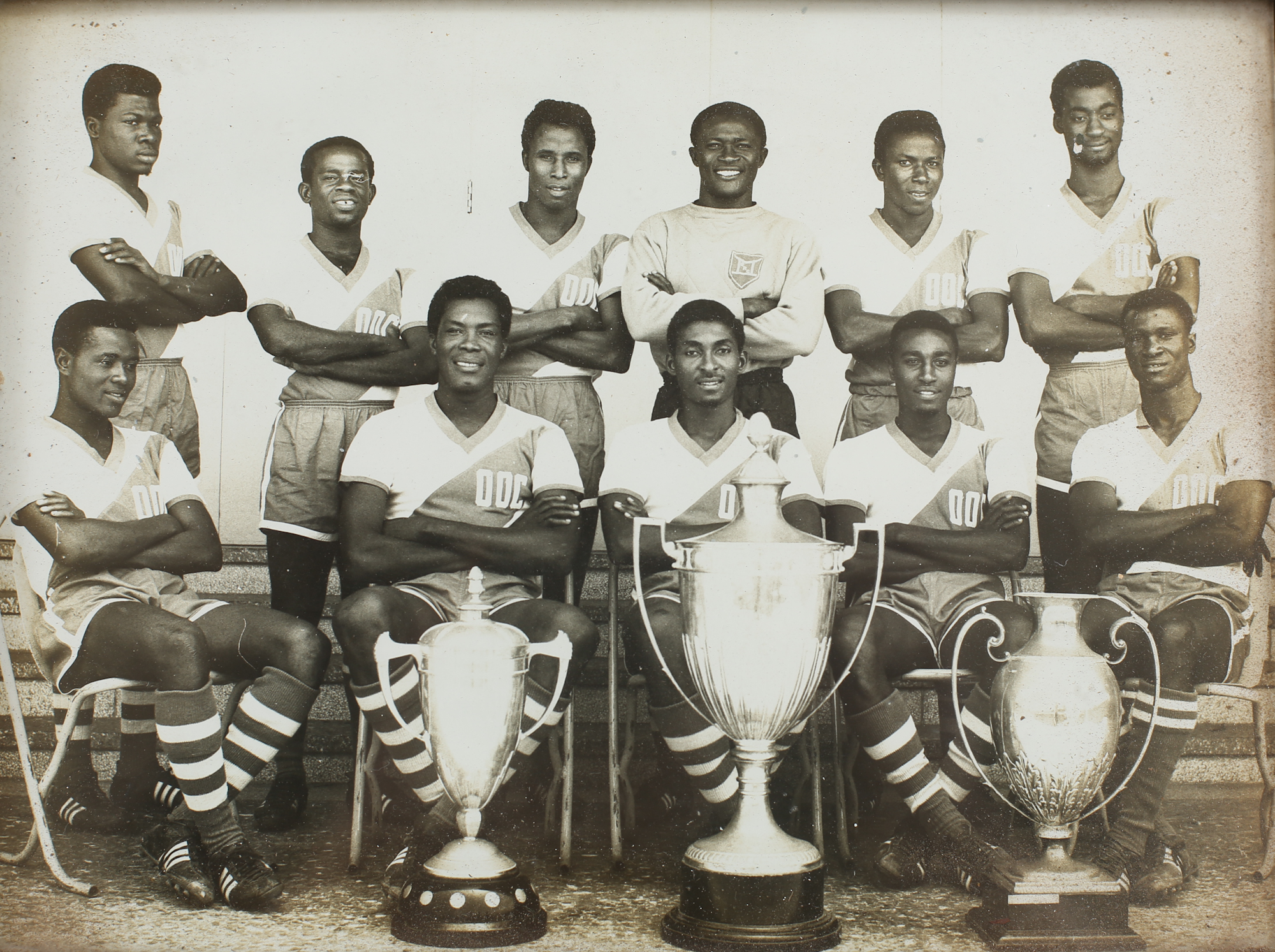
Football arrived in Côte d’Ivoire during the colonial era, gradually becoming the country’s most popular sport. Organized competitions began forming in the mid-20th century, and after gaining independence in 1960, the nation established its official football federation.
The ivory coast national football team played its first international matches in the early 1960s, participating in friendly fixtures and regional tournaments. These formative years were marked by inconsistent results but laid the foundation for future growth. Infrastructure was limited, coaching systems were still developing, and international exposure remained minimal.
Despite these challenges, football became a unifying force across the country. Local clubs began producing talented players, and national pride grew with each international appearance.
Growth and Development Through the Decades
The 1970s and 1980s marked a period of gradual improvement for the ivory coast national football team. While continental dominance remained elusive, the team gained valuable experience by competing regularly in the Africa Cup of Nations (AFCON).
A major turning point came in the early 1990s when Côte d’Ivoire invested heavily in youth development and coaching education. This strategic shift produced technically gifted players capable of competing at the highest level.
The breakthrough arrived in 1992, when the team won its first AFCON title. That victory transformed national football culture and elevated the country’s reputation across Africa.
Golden Generation and Global Recognition
The early 2000s ushered in what many consider the golden era of the ivory coast national football team. A remarkable generation of players emerged, many of whom starred for Europe’s biggest clubs.
This period saw Côte d’Ivoire qualify for multiple FIFA World Cups, a historic achievement that showcased African football on the global stage. The team combined physical strength, tactical intelligence, and individual brilliance, making them a formidable opponent for any nation.
Their performances not only inspired domestic fans but also helped African football gain greater respect internationally.
Table 1: Major Tournament Appearances and Achievements
| Tournament | Appearances | Best Performance |
|---|---|---|
| Africa Cup of Nations | 25+ | Champions (1992, 2015, 2023) |
| FIFA World Cup | 3 | Group Stage |
| African Nations Championship | 5 | Runners-up |
| Olympic Games | 4 | Quarterfinals |
Tactical Identity and Playing Style
The ivory coast national football team is traditionally known for its powerful and athletic style of play. However, modern Ivorian football blends physicality with technical sophistication.
Key tactical characteristics include:
-
Strong midfield presence capable of both defending and transitioning quickly into attack
-
Wide play utilizing fast wingers and overlapping fullbacks
-
Physical central defenders who excel in aerial duels
-
High pressing in key moments to disrupt opposition buildup
Coaches over the years have adapted European tactical frameworks while maintaining African football’s expressive nature.
Legendary Players Who Defined an Era
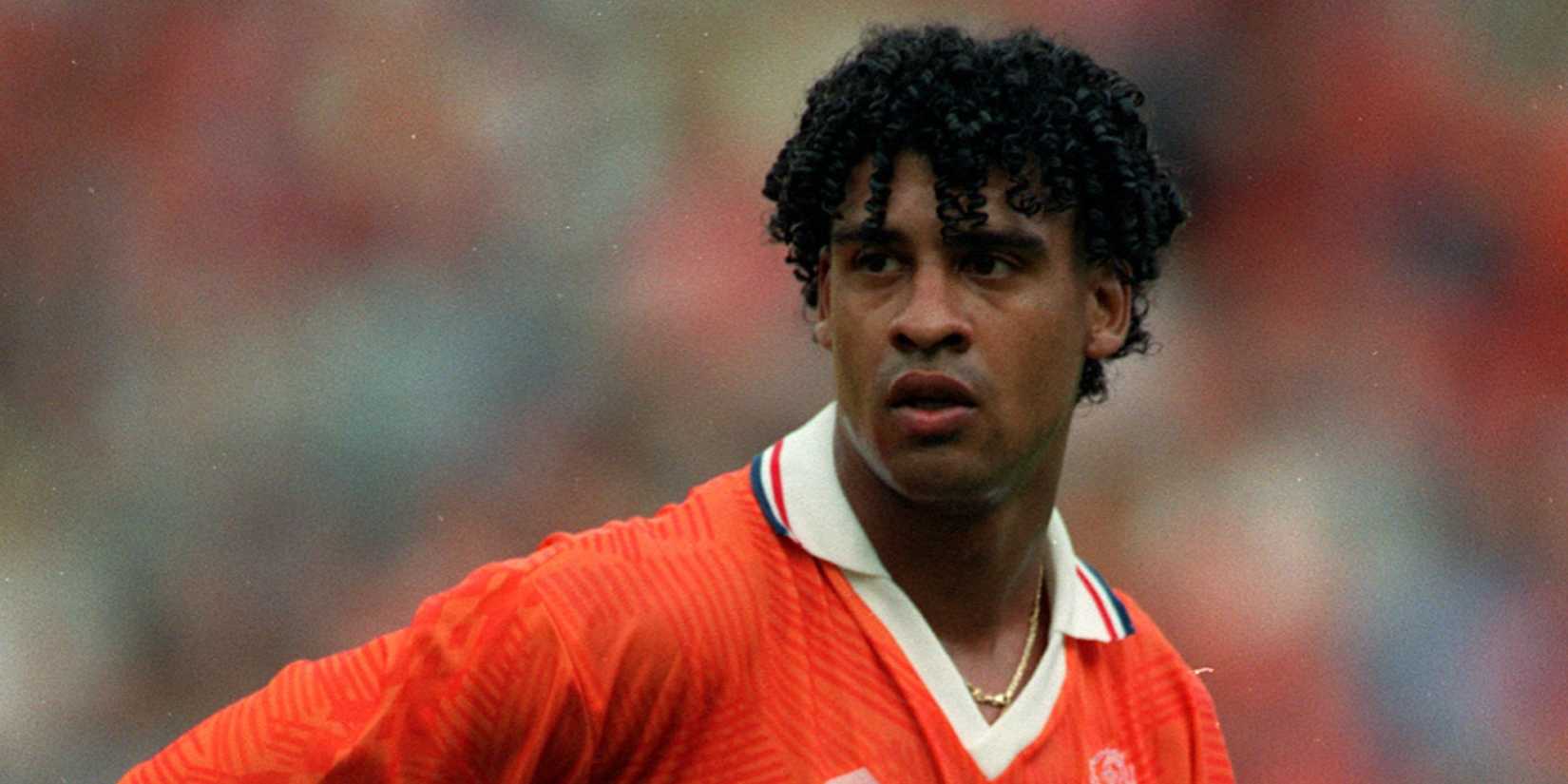
No discussion of the ivory coast national football team is complete without highlighting the players who shaped its legacy. These footballers not only delivered trophies but also served as ambassadors of African excellence worldwide.
Didier Drogba became the face of Ivorian football, known for his leadership, goal-scoring prowess, and ability to inspire unity during times of national conflict. Yaya Touré redefined the role of a midfielder with his blend of power, vision, and scoring ability.
Other influential figures include Kolo Touré, Salomon Kalou, Gervinho, and Wilfried Zaha, each contributing uniquely to the team’s success across different eras.
Table 2: Iconic Players and Their Contributions
| Player | Position | Era | Key Contribution |
|---|---|---|---|
| Didier Drogba | Striker | 2002–2014 | Leadership & Goals |
| Yaya Touré | Midfielder | 2004–2016 | Midfield Dominance |
| Kolo Touré | Defender | 2000–2012 | Defensive Stability |
| Salomon Kalou | Forward | 2005–2017 | Versatility |
| Gervinho | Winger | 2007–2018 | Attacking Creativity |
Africa Cup of Nations Journey
AFCON remains the most prestigious competition for African nations, and the ivory coast national football team has built a storied history in this tournament. Their victories in 1992, 2015, and 2023 highlight resilience and tactical adaptability.
Several finals heartbreaks between these triumphs tested the team’s mental strength. However, each setback contributed to a culture of perseverance that defines Ivorian football today.
AFCON success cemented Côte d’Ivoire as one of Africa’s footballing giants.
FIFA World Cup Experience
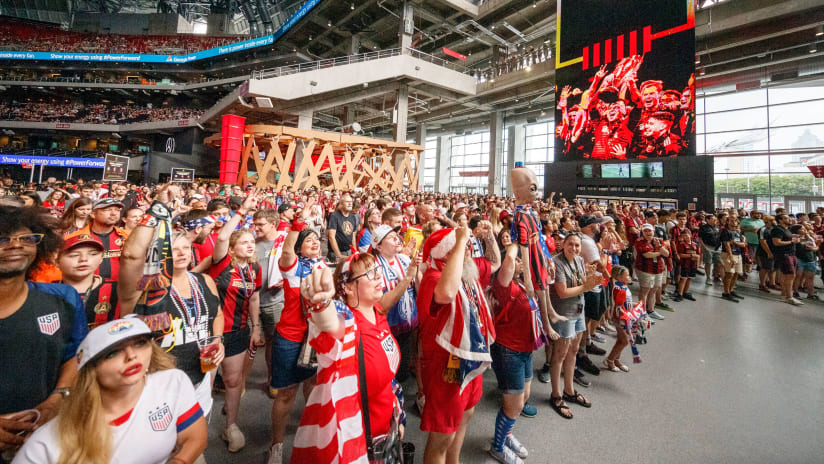
Although the ivory coast national football team has yet to progress beyond the group stage at the FIFA World Cup, their appearances remain historic. Being drawn into highly competitive groups challenged the team against elite global opposition.
World Cup participation helped expose Ivorian players to international audiences, boosting transfers to top European leagues and strengthening the national football system.
Youth Development and Domestic Influence
Youth academies play a vital role in sustaining the ivory coast national football team. Domestic clubs and football schools continuously identify and nurture young talent, many of whom move abroad at an early age.
The emphasis on youth development ensures:
-
A steady pipeline of technically skilled players
-
Early exposure to tactical discipline
-
Physical conditioning aligned with international standards
This system remains crucial for long-term success.
Fan Culture and National Identity
Football in Côte d’Ivoire transcends sport. Matches involving the ivory coast national football team often unite citizens across ethnic, political, and social lines.
Stadiums erupt with color, music, and chants, reflecting the nation’s vibrant culture. International victories frequently spark nationwide celebrations, reinforcing football’s role as a symbol of unity.
Challenges and Modern Evolution
Despite its success, the ivory coast national football team faces challenges such as:
-
Transitioning between generations
-
Balancing domestic league development with overseas player migration
-
Maintaining tactical consistency amid coaching changes
Modern management focuses on long-term planning, data-driven analysis, and improved sports science to address these issues.
Influence on African and Global Football


The ivory coast national football team has influenced African football by proving that investment in youth development and international exposure leads to sustained success. Their players’ impact in Europe helped open doors for African talent worldwide.
Côte d’Ivoire’s football philosophy continues to inspire emerging nations across the continent.
Five Key Facts About the Ivory Coast National Football Team
-
The team is nicknamed Les Éléphants
-
They have won the Africa Cup of Nations three times
-
Multiple players became stars in top European leagues
-
Football acts as a unifying force within the country
-
Youth academies remain central to future success
Conclusion: A Legacy Still Growing
The ivory coast national football team represents far more than match results and trophies. It symbolizes resilience, unity, and the power of sport to inspire a nation. From humble beginnings to continental dominance, Côte d’Ivoire’s football journey reflects determination and vision.
As new generations rise and global football continues to evolve, the ivory coast national football team remains poised to write new chapters in African and world football history.
Read More:- Where to Watch Pretoria Capitals vs Durban’s Super Giants – Live TV & Streaming Guide