

Rising from the plains of northern Tanzania, Mount Kilimanjaro stands at 5,895 metres (19,341 feet) above sea level, making it the highest mountain in Africa and the tallest free-standing mountain in the world. What makes it extraordinary is accessibility. Unlike many of the world’s great summits, Kilimanjaro can be climbed by determined hikers without ropes, ice axes, or technical mountaineering skills. That does not make it easy. Kilimanjaro climbing is a serious physical and mental challenge, shaped mainly by altitude, weather, and preparation. This guide covers the routes, timing, training, gear, safety, and planning decisions that give you the best chance of standing on the roof of Africa.
Understanding the Mountain
Kilimanjaro is a dormant volcano made up of three volcanic cones: Kibo, the highest and the one holding the summit; Mawenzi, a jagged and technical peak; and Shira, the oldest and now largely collapsed. The highest point, Uhuru Peak, sits on Kibo’s crater rim.
The mountain lies within Kilimanjaro National Park, and a climb is a journey through five distinct ecological zones: cultivated farmland and lower slopes, lush rainforest, heath and moorland, alpine desert, and the arctic summit zone. Few climbs in the world pack such dramatic variety into a single trip, and many climbers say the shifting scenery is as memorable as the summit itself.
Kilimanjaro Climbing Routes Explained
Choosing a route is the most important decision you will make, because it affects your success chances, scenery, crowd levels, and comfort. In general, longer routes allow better acclimatisation, which improves your odds of reaching the top.
Marangu Route (5 to 6 days). Often called the “Coca-Cola” route, Marangu is the only route with hut accommodation rather than tents. It is the most direct ascent and the descent uses the same path. The shorter timeline leaves less time to acclimatise, so many guides recommend adding an extra day.
Machame Route (6 to 7 days). Popular for its scenery, Machame follows a “climb high, sleep low” pattern that supports acclimatisation. It is steeper and busier, but widely regarded as one of the most rewarding options.
Lemosho Route (7 to 8 days). Widely considered one of the best routes, Lemosho approaches from the west through quiet forest and across the Shira Plateau. Its gradual profile and longer duration support strong acclimatisation and give excellent views.
Rongai Route (6 to 7 days). Approaching from the north near the Kenyan border, Rongai is drier and quieter, which appeals to climbers travelling in rainy periods. The ascent is gentle, though the scenery is less varied.
Northern Circuit (8 to 9 days). The longest route, it circles the mountain and offers the highest summit success rates thanks to extended acclimatisation. It is also the quietest option.
Umbwe Route (6 to 7 days). Short, steep, and demanding, Umbwe is best suited to experienced hikers who have already acclimatised to altitude, since it ascends rapidly.
Shira Route (7 to 8 days). Starting high on the Shira Plateau, it offers scenic variety but requires care because the early altitude gain is quick.
If you are choosing between routes, a general rule applies: more days on the mountain means a better chance of success.
The Best Time to Climb Kilimanjaro
Kilimanjaro can be climbed year-round, but two seasons stand out.
- January to mid-March: Warm, relatively dry, and generally clear, with fewer climbers than the mid-year peak.
- June to October: The main dry season, with stable weather and excellent visibility. It is the busiest period, so book early.
April and May, along with November, fall in the rainy periods. Trails are wetter and views can be obscured, though crowds are thin. Summit night is always cold regardless of season, so plan for freezing temperatures at the top.
Altitude: The Real Challenge
Altitude, not distance or technical difficulty, is the main reason climbers fail to summit. As elevation increases, the air contains less available oxygen, and the body needs time to adapt. Acute mountain sickness can cause headaches, nausea, dizziness, fatigue, and poor sleep. In rare cases, more severe conditions such as high-altitude pulmonary or cerebral oedema can develop and require immediate descent.
The best defence is smart acclimatisation:
- Walk slowly. The Swahili phrase pole pole, meaning “slowly slowly,” is the unofficial motto of the mountain.
- Choose a longer route to give your body more time to adjust.
- Stay well hydrated and eat regularly, even when appetite drops.
- Follow the “climb high, sleep low” principle where the route allows.
- Report symptoms honestly to your guide rather than pushing through.
If you are considering altitude medication, speak with a doctor before your trip. It is not a substitute for proper acclimatisation, and individual medical advice matters.
How to Train for Kilimanjaro
You do not need to be an elite athlete, but you do need good general fitness and endurance. Aim to begin training at least two to three months before your climb.
- Hike regularly. Spend time on hills or trails with a loaded daypack, building up to several hours at a stretch.
- Build cardiovascular fitness. Running, cycling, swimming, and stair climbing all help.
- Strengthen your legs and core. Squats, lunges, and step-ups prepare you for long ascents and steep descents.
- Break in your boots. Wearing new footwear for the first time on the mountain invites blisters.
- Practise back-to-back hiking days to mimic the fatigue of consecutive climbing days.
Mental resilience matters as much as fitness. Summit night involves an overnight push in cold and darkness, and a positive mindset helps you keep going.
What to Pack
Layering is the key to comfort across Kilimanjaro’s changing climate zones. Essentials include:
- Footwear: Broken-in waterproof hiking boots, spare socks, and gaiters
- Clothing: Moisture-wicking base layers, insulating mid layers, a warm down or synthetic jacket, and a waterproof shell
- Accessories: Warm hat, gloves or mittens, sun hat, buff, and UV-protective sunglasses
- Equipment: A sleeping bag rated for low temperatures, trekking poles, a headlamp with spare batteries, and a daypack
- Health and hygiene: High-SPF sunscreen, lip balm, a personal first-aid kit, hand sanitiser, and water purification options
- Hydration: Water bottles or a hydration bladder
Many operators provide a detailed packing list, and rental gear is often available locally, which can reduce the amount you need to carry from home.
Guides, Porters, and Responsible Climbing
Park regulations require climbers to be accompanied by licensed guides, and most climbs are supported by a team of porters, cooks, and assistant guides who carry equipment, set up camp, and prepare meals. Your safety and enjoyment depend heavily on this team.
Ethical operators pay fair wages, provide appropriate clothing and equipment, limit the weight porters carry, and treat crew with respect. Asking about porter welfare practices before you book is entirely reasonable. Tipping is customary, so budget for gratuities and agree on guidelines with your operator in advance.
Safety and Health Considerations
Before you climb, arrange a medical check-up, particularly if you have heart, lung, or blood-pressure conditions. Confirm vaccination guidance with a travel clinic, carry comprehensive travel insurance that covers high-altitude trekking and evacuation, and keep your guide informed about any existing conditions. Experienced guides monitor oxygen saturation and symptoms daily, and they will recommend descent if your health is at risk. Turning back is not failure; it is good judgement.
Choosing the Right Climbing Operator
Success on Kilimanjaro depends heavily on your operator. Look for:
- Experienced, licensed guides with strong safety training
- Realistic route recommendations, including longer itineraries when appropriate
- Transparent pricing that clearly lists park fees, equipment, meals, and transfers
- Responsible crew treatment and fair pay
- Positive recent reviews from past climbers
- Flexibility to combine your climb with a safari or a Zanzibar beach stay
Sumbi Extra Miles Safari, based in Arusha, offers Kilimanjaro treks across a range of routes, including Lemosho, Shira, Rongai, Marangu, Umbwe, and the Northern Circuit, and it can pair a climb with safari experiences.
Conclusion
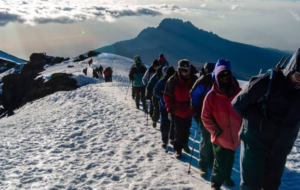
Kilimanjaro climbing rewards those who prepare thoughtfully and respect the mountain. The right route, a patient pace, sensible training, proper gear, and a trustworthy operator all raise your chances of reaching Uhuru Peak safely and enjoyably. The summit sunrise, with the curve of the Earth glowing across the African plains, is a moment few climbers forget. Whether you are a first-time trekker or a seasoned hiker, plan carefully, listen to your body, and take every step pole pole.
Key Takeaways
- Kilimanjaro is 5,895 metres high and requires no technical climbing skills, but altitude makes it demanding.
- Longer routes such as Lemosho and the Northern Circuit generally improve acclimatisation and success rates.
- The best climbing seasons are January to mid-March and June to October.
- Walking slowly, staying hydrated, and reporting symptoms are the best defences against altitude sickness.
- Begin training two to three months ahead with hiking, cardio, and strength work.
- Choose an operator that prioritises safety, transparent pricing, and fair treatment of porters.
Frequently Asked Questions
How difficult is climbing Kilimanjaro?
It is physically demanding but non-technical. The main challenge is altitude, so fitness, pacing, and route choice all matter.
How many days do I need to climb Kilimanjaro?
Most itineraries run 6 to 9 days. Longer routes offer better acclimatisation and higher summit success rates.
What is the best route for beginners?
Lemosho and Machame are popular choices, and longer itineraries are generally recommended because they allow more time to adjust to altitude.
When is the best time to climb Kilimanjaro?
January to mid-March and June to October offer the most favourable weather, with June to October being the busiest period.
Do I need a guide to climb Kilimanjaro?
Yes. Park rules require climbers to be accompanied by licensed guides, and most climbs include porters and cooks.
Can I get altitude sickness on Kilimanjaro?
Yes, and it can affect anyone regardless of fitness. Gradual ascent, hydration, and prompt reporting of symptoms reduce the risk. Consult a doctor about medication before you travel.
How cold does it get on summit night?
Temperatures at the top can fall well below freezing, and wind can make it feel colder, so pack warm layers, insulated gloves, and a quality sleeping bag.
Can I combine a Kilimanjaro climb with a safari?
Yes. Many travellers climb first and then recover on safari, or visit the Serengeti before trekking. Combination packages are common.