

Beneath the vast African sky, where golden grasslands meet distant horizons and the rhythm of life pulses with primal intensity, Tanzania emerges as nature’s masterpiece. For those seeking authentic encounters with wilderness in its purest form, a Tanzania safari tour delivers experiences that defy description and exceed imagination. This is where the circle of life plays out in real time, where predators and prey engage in ancient rituals, and where travelers discover connections with nature that many describe as spiritual awakenings.
The Tanzanian Safari Phenomenon
Tanzania’s ascension to the pinnacle of global safari destinations represents decades of conservation commitment, strategic planning, and unwavering dedication to protecting natural heritage. The country has transformed approximately 38% of its total landmass into protected areas, creating an interconnected network of national parks, conservation areas, game reserves, and forest reserves that collectively represent one of the world’s most ambitious conservation achievements.
This commitment has yielded extraordinary results that distinguish Tanzania from every other safari destination. The country supports populations of over 4 million wild animals representing hundreds of species, from the massive African elephant to the diminutive dik-dik. Tanzania hosts the world’s largest remaining lion population, with over 14,500 individuals prowling its various ecosystems. The elephant population, once devastated by poaching, has recovered to exceed 60,000 thanks to aggressive anti-poaching measures and community conservation initiatives.
Perhaps most significantly, Tanzania serves as the primary stage for the Great Migration—nature’s most spectacular wildlife phenomenon. Approximately 1.5 million wildebeest, accompanied by 250,000 zebras and countless gazelles, traverse Tanzania’s ecosystems in an endless quest for fresh grazing. This circular journey covers over 800 kilometers annually, creating wildlife concentrations and dramatic events unmatched anywhere on Earth.
The geographical diversity contained within Tanzania’s borders creates multiple distinct safari experiences. From the volcanic landscapes of the Crater Highlands to the riverine forests of the western parks, from the coastal ecosystems near the Indian Ocean to the montane forests of the Southern Highlands, Tanzania encompasses virtually every African habitat type. This diversity ensures that Tanzania safari tour participants encounter varied landscapes, different wildlife communities, and contrasting environmental conditions that create rich, layered experiences.
Serengeti National Park: The Eternal Stage
The Serengeti needs little introduction to anyone who has consumed wildlife media. This 14,763-square-kilometer protected area has become synonymous with African safari experiences, representing the quintessential savanna landscape that shapes global perceptions of wild Africa. The park’s fame rests on solid foundations—this is where nature’s greatest terrestrial wildlife spectacle unfolds annually, where predator densities reach their continental zenith, and where ecosystems function with minimal human interference.
The Great Migration dominates Serengeti narratives, and rightfully so. This annual movement follows a relatively predictable pattern dictated by seasonal rainfall and grass availability, though exact timing varies yearly based on weather patterns. Understanding this cycle transforms good Tanzania safari tours into extraordinary ones.
Between December and March, the migration herds concentrate on the southeastern plains extending from Ndutu into the Ngorongoro Conservation Area. The volcanic soils here produce short, nutrient-dense grasses ideal for pregnant wildebeest preparing to give birth. During peak calving weeks in late January and February, approximately 8,000 calves are born daily, creating a population explosion that attracts every predator species. Lions abandon their usual hunting strategies to capitalize on easy prey. Cheetahs enjoy brief hunting success before larger predators dominate. Hyena clans grow fat on afterbirth and casualties. This period offers Tanzania safari tour participants unparalleled predator viewing and dramatic life-and-death encounters.
As April’s long rains arrive, transforming the plains into lush green carpets, the herds begin their northward trek. By May and June, they typically reach the western corridor where the Grumeti River creates the first major crossing challenge. While less famous than Mara River crossings, Grumeti crossings feature enormous Nile crocodiles—some exceeding six meters—that may have fasted for months awaiting the herds. These crossings occur at various points along the river, often with less predictability than Mara crossings, creating challenges for positioning but also opportunities for unique observations without crowds.
July through October marks the northern Serengeti phase when herds must navigate the formidable Mara River. This river, originating in Kenya’s Mau Escarpment, flows through the Serengeti before entering the Masai Mara. The crossing points feature steep banks, strong currents, and massive crocodile populations creating deadly obstacles. The psychological drama preceding crossings—thousands of wildebeest massing on banks, individuals approaching and retreating, tension building until some trigger causes mass crossings—rivals the physical drama of the crossings themselves. Witnessing these events ranks among life’s most powerful wildlife experiences.
Beyond migration dynamics, the Serengeti supports exceptional resident wildlife. The Seronera Valley, bisected by permanent water courses, maintains year-round populations including several large lion prides, numerous leopards frequenting riverine trees and rocky kopjes, and cheetah populations exploiting open grassland advantages. The kopjes scattered across the plains serve as biodiversity hotspots supporting rock hyraxes, klipspringers, agama lizards, and predators using elevated positions for hunting vantage points.
Ngorongoro Conservation Area: Nature’s Colosseum
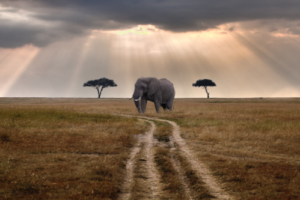
The Ngorongoro Conservation Area represents innovative conservation approaches that balance wildlife protection with sustainable human use. Unlike traditional national parks where human habitation is prohibited, Ngorongoro permits Maasai pastoralists to graze livestock while restricting agriculture and permanent settlements. This unique management model demonstrates that wildlife conservation and traditional human land use can coexist when properly managed.
The conservation area’s centerpiece is the Ngorongoro Crater, formed when a massive volcano collapsed inward approximately 2-3 million years ago. The resulting caldera spans 19 kilometers in diameter and plunges 610 meters from rim to floor, creating what geologists recognize as the world’s largest intact volcanic caldera. More importantly for Tanzania safari tour participants, the crater functions as a natural wildlife sanctuary of remarkable concentration.
The crater floor supports between 25,000 and 30,000 large mammals in permanent residence—an extraordinary density that virtually guarantees spectacular wildlife viewing. The steep crater walls discourage movements in and out, while diverse habitats, permanent water sources, and favorable microclimates sustain populations year-round. Within this natural amphitheater, visitors can observe most East African species within hours rather than days required elsewhere.
For many travelers, Ngorongoro provides their only opportunity to observe critically endangered black rhinoceros in the wild. The crater supports approximately 30-40 individuals representing one of Tanzania’s most stable populations. These impressive creatures, smaller and more aggressive than white rhinos, graze the crater floor in relatively predictable areas, allowing patient observers reasonable chances of sightings. Successfully spotting black rhinos completes the “Big Five” experience for many Tanzania safari tour participants.
The crater floor’s ecological zonation creates distinct areas supporting specialized communities. The Lerai Forest on the crater’s southwestern floor provides refuge for elephants, particularly impressive bulls with substantial tusks. Lake Magadi, an alkaline soda lake, attracts enormous flamingo flocks whose pink masses shift and flow across the waters. The various swamps—Gorigor, Mandusi, Lerai—support water-dependent species including hippos, elephants, and buffalo throughout dry seasons. The eastern short-grass plains host zebras, wildebeest, and gazelles, while the surrounding woodlands shelter leopards and other elusive species.
Tarangire National Park: Where Giants Gather
Tarangire National Park remains somewhat overshadowed by its more famous neighbors, yet this 2,850-square-kilometer reserve offers Tanzania safari tour experiences rivaling any park when visited during optimal seasons. The park takes its name from the Tarangire River, which flows throughout the park’s length, providing the only permanent water source for vast surrounding areas during dry seasons.
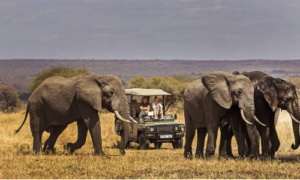
This hydrological reality transforms Tarangire into one of Africa’s premier wildlife viewing destinations from June through October. As seasonal water sources dry across the greater Tarangire ecosystem, animals migrate to the river in staggering numbers. Elephant populations swell to over 3,000 individuals as family groups converge from dispersed wet-season ranges. These concentrations create unparalleled opportunities to observe elephant social dynamics, communication systems, and the remarkable intelligence these animals demonstrate daily.
The elephants of Tarangire display fascinating adaptations to seasonal challenges. During dry periods, they dig in dry riverbeds accessing underground water, create salt licks by excavating mineral-rich soil, and modify landscapes in ways that benefit other species. Observing matriarchs leading families using knowledge passed through generations, young bulls practicing dominance behaviors, and playful calves learning survival skills provides intimate glimpses into elephant society that many consider Tanzania safari tour highlights.
Beyond elephants, Tarangire supports impressive wildlife diversity. Large buffalo herds numbering hundreds graze the floodplains. Zebras and wildebeest concentrate around remaining water. Giraffes browse acacia trees, while impalas, elands, and oryx utilize different vegetation zones. Predators follow prey concentrations—lion prides patrol territories, leopards haunt riverine forests, and cheetahs hunt open areas.
The park’s botanical signature comes from ancient baobab trees dominating the landscape. These remarkable specimens, some exceeding 2,000 years old, create surreal scenes with their massive trunks and sparse canopies. During droughts, elephants extract moisture from baobab wood, while various species utilize hollow trunks as shelters. For photographers, baobabs provide perfect foreground elements, especially during golden hour when elephants gather beneath them.
Tarangire’s avian diversity exceeds 550 species, making it a premier birding destination. Endemic species like yellow-collared lovebirds attract serious birders, while spectacular species including lilac-breasted rollers, various hornbills, and countless raptors provide constant visual rewards.
Lake Manyara National Park: Ecological Jewel
Lake Manyara National Park demonstrates that exceptional Tanzania safari tour experiences don’t require vast territories. This compact 330-square-kilometer park occupies a narrow strip between the Great Rift Valley’s western escarpment and Lake Manyara itself, yet delivers remarkable biodiversity and unique wildlife behaviors justifying its place on comprehensive safari itineraries.
The park’s primary claim to fame remains its tree-climbing lions. While lions occasionally climb trees in various locations to escape insects or gain vantage points, Manyara’s lions have made this behavior habitual. Entire prides can often be found draped over branches of acacia and sausage trees, creating surreal photographic opportunities. Theories explaining this behavior range from insect avoidance to thermal regulation to simple preference, but regardless of motivation, observing lions in trees provides unique Tanzania safari tour experiences.
The park’s groundwater forest near the entrance creates cool, shaded environments contrasting dramatically with surrounding areas. This forest supports troops of olive baboons numbering in the hundreds, blue monkeys swinging through canopies, and shy bushbucks emerging from undergrowth. Elephants favor the forest’s dense vegetation, often appearing suddenly from the greenery.
Lake Manyara itself, covering roughly two-thirds of the park during wet seasons, serves as the primary water source attracting diverse waterbirds. Flamingo populations fluctuate dramatically based on water levels and food availability but can reach hundreds of thousands during favorable conditions. Their synchronized feeding creates pink waves across the shallows. Pelicans, cormorants, various herons, storks, and countless other species utilize the lake’s resources, making Manyara an ornithological paradise.
The park also features hot springs in southern sections, where geothermally heated water bubbles through the earth, adding geological interest to ecological diversity. These springs support unique plant communities and attract wildlife seeking minerals in the water.
Crafting Your Perfect Tanzania Safari Tour
Modern Tanzania safari tours accommodate virtually every traveler profile through diverse formats offering different experiences, comfort levels, and price points.
Luxury safari experiences represent the upper echelon, featuring permanent lodges or exclusive tented camps with spacious accommodations, gourmet cuisine, premium beverages, spa services, infinity pools, and staff-to-guest ratios ensuring personalized attention. These properties occupy prime locations—crater rim positions overlooking Ngorongoro, riverside settings in the Serengeti, or hillside locations providing panoramic vistas. After adventurous game drives, returning to air-conditioned suites, hot showers, and fine dining creates balanced experiences combining wilderness immersion with refined comfort.
Mid-range tented camps strike balances that many experienced travelers consider optimal. These permanent camps feature large walk-in tents on elevated platforms with en-suite bathrooms, comfortable beds, electricity for charging devices, and often private verandas. The canvas construction allows bush sounds to permeate—nocturnal animal calls, wind rustling through grass, distant thunder—creating immersive experiences while maintaining comfort and security.
Mobile camping expeditions prioritize wildlife access and authenticity over accommodation luxury. These camps relocate throughout safaris, following wildlife movements and positioning camps in prime areas. Professional crews handle all logistics—transporting equipment, establishing camps, preparing meals, ensuring safety—while guests focus entirely on wildlife experiences. Accommodations are simplified but comfortable, with walk-in tents and camp furnishings providing functional facilities in remote locations.
Budget camping adventures democratize Tanzania safari tour access, making these experiences available to backpackers and budget-conscious travelers. While accommodations are basic—simple tents, sleeping bags, basic meals—these safaris provide identical park access and wildlife viewing as luxury alternatives. The animals don’t differentiate between accommodation categories, and a lion kill or cheetah hunt proves equally thrilling regardless of where you sleep.
Strategic Seasonal Planning
Tanzania offers viable Tanzania safari tour experiences throughout the year, though different seasons provide distinct advantages aligned with varying priorities and preferences.
Peak dry season (July-October) delivers maximum wildlife concentrations as diminishing water sources force animals to converge on permanent rivers and lakes. Vegetation thins, improving visibility. The weather remains predominantly dry with comfortable temperatures. This period encompasses dramatic Mara River crossings and represents optimal photographic conditions. However, peak season brings maximum tourist numbers, highest prices, and advance booking requirements often extending 6-12 months ahead.
Short rains (November-December) create transitional conditions with periodic precipitation transforming landscapes into lush greenery. Wildlife remains relatively concentrated, predator activity intensifies around vulnerable newborns, and dramatic cloud formations enhance photographic conditions. Tourist numbers decline substantially while wildlife viewing remains excellent. Accommodation prices drop 20-40% compared to peak season, delivering excellent value.
Calving season (January-February) focuses on southern Serengeti where migration calving creates extraordinary scenes. The weather remains generally dry and pleasant. Predator activity reaches annual peaks around vulnerable newborns. Tourist numbers stay moderate despite exceptional wildlife viewing. This period offers outstanding value with world-class experiences.
Long rains (March-May) represent the true low season. Accommodation prices reach annual minimums, parks see minimal tourists, and transformed landscapes—vivid greenery, dramatic skies, abundant bird activity—reward flexible travelers. However, afternoon rains occur regularly, some roads become challenging, and certain seasonal camps close temporarily.
Conclusion
A Tanzania safari tour transcends conventional tourism, offering journeys that touch something profound within the human spirit. These experiences reconnect us with natural rhythms largely lost in modern life, remind us of our evolutionary origins on African savannas, and reveal ecosystems functioning according to principles unchanged for millennia. The privilege of witnessing these wild places and their inhabitants creates responsibilities alongside memories—responsibilities to support conservation, respect wildlife, and advocate for protecting Earth’s remaining wilderness.
Tanzania’s remarkable success in balancing wildlife conservation with tourism development demonstrates that these goals can be compatible and mutually reinforcing. Tourism revenue funds anti-poaching operations, supports community development reducing human-wildlife conflict, and provides economic incentives for conservation that protect wildlife far more effectively than preservation efforts divorced from local economic benefits.
The accessibility of Tanzania safari tours across all price points means these transformative experiences aren’t restricted to the wealthy but available to anyone prioritizing them. Whether investing thousands in luxury accommodations or choosing budget camping to maximize safari duration, the essential wildlife encounters remain equally powerful and memorable.
The memories forged during Tanzania safari tours become treasured possessions that appreciate over time. The sight of a lion pride resting in morning light, the sound of elephants communicating through infrasonic rumbles, the feeling of witnessing thousands of wildebeest crossing a river—these experiences reshape perspectives and create connections with nature that endure for lifetimes.
Key Takeaways
- Tanzania protects 38% of its territory through conservation areas, creating Africa’s most extensive wildlife sanctuary network supporting over 4 million wild animals
- The Great Migration involves 1.5 million wildebeest plus hundreds of thousands of zebras and gazelles following a circular pattern with dramatic events occurring during specific seasons
- Ngorongoro Crater contains 25,000-30,000 animals within a volcanic caldera, creating Earth’s highest wildlife densities and reliable black rhino viewing opportunities
- Tarangire National Park attracts over 3,000 elephants during dry season, offering unparalleled observations of elephant social structures and behaviors
- Lake Manyara’s tree-climbing lions exhibit unique behaviors rarely observed elsewhere, creating distinctive photographic opportunities within a compact park
- Safari formats range from luxury lodges with every amenity to budget camping, ensuring Tanzania safari tours suit every budget without compromising wildlife viewing
- Seasonal timing dramatically impacts experiences—dry season concentrates wildlife, wet season provides dramatic landscapes and substantial savings
- Comprehensive advance planning including visas, health preparations, travel insurance, and appropriate equipment ensures safe, smooth experiences
- Responsible operator selection and sustainable tourism practices directly support conservation funding and community development initiatives
- Tanzania safari tours create transformative experiences fostering deep nature connections and conservation awareness extending far beyond the trips themselves
Frequently Asked Questions
How far in advance should I book my Tanzania safari tour?
Booking timelines vary significantly based on season and accommodation preferences. For peak dry season (July-October), luxury lodges and exclusive tented camps often fill 6-12 months in advance, particularly for specific properties or dates coinciding with major events like river crossings. Mid-range accommodations typically require 3-6 months advance booking during peak season. Budget camping safaris offer more flexibility, often with availability 1-3 months ahead. During shoulder seasons (November-December, January-February) and low season (March-June), booking timelines compress significantly, with availability often 1-3 months ahead even for quality accommodations. However, early booking provides advantages beyond availability—better rates, preferred accommodation choices, optimal date selection, and reduced planning stress. If you have fixed dates or specific properties in mind, booking 6-12 months ahead is advisable regardless of season.
What is the typical daily schedule during a Tanzania safari tour?
Tanzania safari tour daily schedules typically follow consistent patterns optimized for wildlife viewing and guest comfort. Days begin early, around 6:00-6:30 AM, with light breakfast or coffee before departing for morning game drives. Early morning offers optimal wildlife viewing as nocturnal predators return from hunts, diurnal species become active, and golden light creates perfect photographic conditions. Morning drives typically last 3-4 hours, returning to camp/lodge around 10:00-11:00 AM for full breakfast or brunch. Midday heat during 11:00 AM-3:00 PM creates natural breaks when animals rest in shade and camps/lodges serve lunch. This period allows guest relaxation, swimming, reading, or siesta. Afternoon game drives depart around 3:30-4:00 PM, continuing until dusk around 6:30-7:00 PM. Evening drives offer excellent wildlife viewing as temperatures cool and animals resume activity. Dinner typically occurs around 7:30-8:00 PM, followed by socializing, stargazing, or retiring early. Some camps offer sundowner stops during evening drives—pausing at scenic viewpoints for beverages while watching African sunsets. Full-day game drives with picnic lunches are possible for exploring distant areas or maximizing time during short safaris.
Is it safe to travel to Tanzania given concerns about political stability and crime?
Tanzania maintains excellent safety records for international tourists, particularly within safari contexts. The country has remained politically stable for decades, avoiding the conflicts affecting some neighboring nations. Safari parks and tourism areas are specifically protected with substantial security measures. Tourist police patrol major cities, and safari operators employ experienced guides understanding local conditions. The Tanzanian government recognizes tourism’s economic importance, maintaining strong incentives for ensuring visitor safety. That said, standard travel precautions apply. In cities like Arusha and Dar es Salaam, avoid displaying expensive items, use registered taxis, stay aware of surroundings, and avoid walking alone after dark. Safaris themselves are exceptionally safe—guests remain under professional guide supervision, accommodations employ security measures, and the primary “dangers” involve wildlife requiring respect and appropriate behavior. Women traveling solo commonly enjoy Tanzania safari tours without incident. Overall, Tanzania ranks among Africa’s safest countries for tourists, with crime rates affecting visitors significantly lower than many Western cities.
What photography equipment is essential versus optional for Tanzania safari tours?
Photography equipment needs vary based on skill level, existing gear, and commitment to wildlife photography. Essential items include a capable camera—either DSLR, mirrorless, or high-end smartphone with telephoto capabilities. For interchangeable lens cameras, a versatile zoom in the 100-400mm range provides adequate reach for most wildlife situations without excessive weight or expense. Image stabilization helps counter vehicle vibrations. Bring multiple memory cards (minimum 64GB total capacity) and spare batteries, as safari locations rarely offer convenient purchasing options. A basic camera bag protecting equipment from dust proves essential. Optional but valuable equipment includes faster telephoto lenses (f/2.8-f/4) for low-light situations, wide-angle lenses (16-35mm) for landscape shots, lens cleaning supplies for dust management, and polarizing filters reducing glare. Serious wildlife photographers may invest in super-telephoto lenses (500-600mm) for frame-filling shots, though these require significant expense and carrying capacity. Importantly, don’t let equipment obsession overshadow experiences—some of the best safari memories involve simply observing without cameras. Modern smartphones produce surprisingly good images in favorable lighting, making them viable options for casual photographers prioritizing experience over perfect photos.
Can I extend my Tanzania safari tour with beach time, and what are the best options?
Tanzania offers exceptional beach destinations perfect for post-safari relaxation, with Zanzibar being the most popular option. This historic island features pristine white-sand beaches, turquoise Indian Ocean waters, spectacular coral reefs for snorkeling and diving, and fascinating cultural heritage in Stone Town’s UNESCO World Heritage Site. Zanzibar is easily accessible via short flights from safari airports (Arusha, Kilimanjaro) to Zanzibar, with multiple daily departures making logistics simple. The island’s east coast (Paje, Jambiani, Matemwe) offers quieter, more authentic experiences, while the north (Nungwi, Kendwa) provides lively beach scenes with numerous resorts. Pemba Island, north of Zanzibar, attracts serious divers seeking pristine reefs and fewer tourists, offering more remote, traditional experiences. Mafia Island, south of Zanzibar, provides excellent diving and snorkeling, including seasonal whale shark encounters, with significantly fewer tourists and an authentic atmosphere. Mainland coastal areas near Pangani or Saadani offer alternative beach options with easier access but less developed tourism infrastructure. Most Tanzania safari tour operators easily arrange beach extensions, creating balanced itineraries combining adventurous safaris with relaxing beach time for decompression and reflection.
What role does tipping play in Tanzania safari tours, and what are appropriate amounts?
Tipping represents important supplemental income for Tanzania’s tourism industry workers and is expected rather than optional. Guides, drivers, camp staff, and porters depend on tips to supplement base salaries that are often minimal. Appropriate tipping demonstrates appreciation for good service while supporting local economies. For safari guides/drivers, recommend $10-20 per guest per day for excellent service, adjusted based on group size and service quality. For example, a private guide on a 7-day safari might receive $100-140 total, while shared guides receive less per guest but from multiple guests. Camp/lodge staff typically receive communal tips around $10-15 per guest per day, placed in tip boxes distributed among staff. For brief interactions like airport porters, $1-2 per bag is appropriate. Some luxury lodges include service charges covering gratuities, though additional tips for exceptional service remain welcome. Cash tips in US dollars (smaller denominations preferred—$1, $5, $10, $20 bills) prove most useful as local currency exchange isn’t always convenient for recipients. Many operators provide tipping guidelines recognizing that appropriate amounts vary by service level and regional norms. When budgeting for Tanzania safari tours, allocate approximately $15-30 per person daily for tips depending on accommodation level.
How does altitude affect visitors during Tanzania safari tours, and should I be concerned?
Altitude considerations for Tanzania safari tours depend significantly on specific itinerary locations. Most popular northern circuit safari destinations (Serengeti, Tarangire, Lake Manyara) occupy relatively low elevations (1,000-1,800 meters) where altitude effects are negligible for virtually all visitors. However, the Ngorongoro Conservation Area’s crater rim reaches approximately 2,300 meters, and some lodges perch even higher. At these elevations, some visitors experience mild symptoms including slight headaches, breathlessness during exertion, or sleep disruption. These effects are typically minor and resolve within 24-48 hours as bodies acclimatize. Serious altitude sickness is extremely rare at these moderate elevations. If combining safari with Mount Kilimanjaro climbing (summit: 5,895 meters) or Mount Meru (4,566 meters), altitude becomes a significant consideration requiring proper acclimatization protocols, but these are specialized activities separate from standard safaris. For typical Tanzania safari tours, altitude requires minimal concern for healthy individuals. Those with cardiovascular or respiratory conditions should consult physicians, but most visitors experience no altitude-related issues. Staying well-hydrated, avoiding excessive alcohol, and allowing rest upon arrival at higher elevations minimizes any potential effects.